Become a host
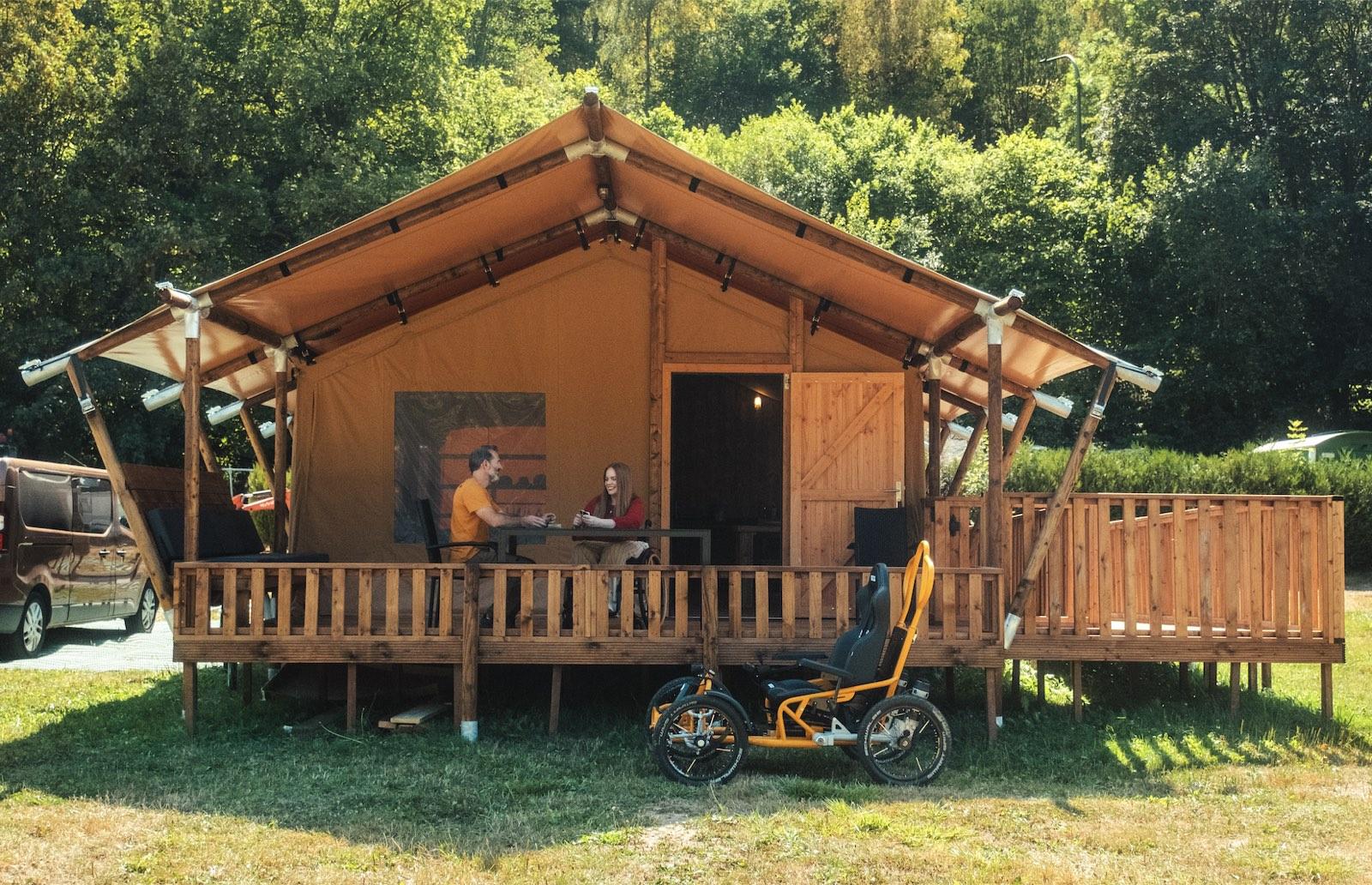
Too many beautiful places in nature are still out of reach for people with a physical disability. We build fully accessible safari tents and are looking for places in nature to put them.
You provide the place. We bring the unit, the guests, the bookings and the support.
If you have a campsite or a piece of land in or near nature, we would like to hear from you.
A good place can do more
-
Earn from land you already have
Receive a fixed income for the space and the hosting work we agree together.
-

No investment
We finance the unit, build it and install it. There is no investment required from you.
-
We bring the guests
Accessible travel is a specialist market and difficult to serve well. We handle the marketing, bookings and guest communication.
-
We handle the accessibility
Accessibility is detailed work, and small mistakes make a big difference. We take care of all of it.
How the partnership works
- We build the unit and handle the installation.
- We manage the marketing, bookings and guest communication.
- You welcome guests and are their point of contact on site.
- You handle the changeover between stays, or we arrange a third party if you prefer.
- Friends or family travelling alongside our guests can book additional accommodation or pitches directly with you.
Who we work with
We are looking for places with nature on the doorstep.
That could be:
- An independent campsite in or near nature
- A private piece of land near trails, forest or open country
- A nature organisation or municipality with land that could be put to good use
What matters most is the place.
What makes a good site
We are looking for somewhere people come to be outside.
Forest, water, trails, open countryside or a landscape worth exploring. Somewhere quiet enough to feel away from everyday life.
A few practical things also need to work.
-
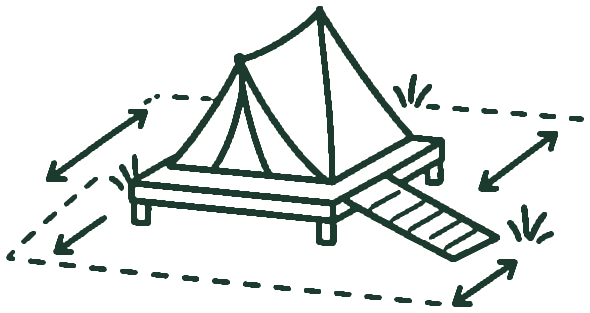
Room for the unit
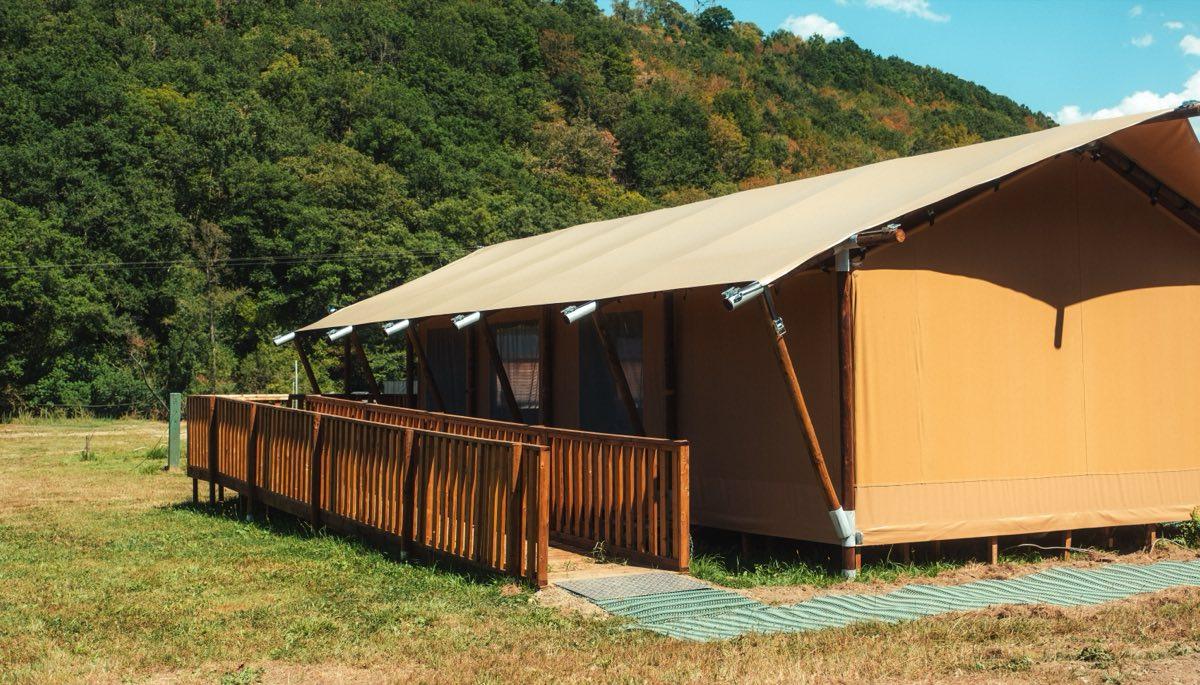
The tent and deck together measure 12 by 5 metres. We also need some clear space around the unit and enough room for the access ramp.
The exact space needed depends on the ground and the height of the deck, so we work out the final layout during the site visit.
-
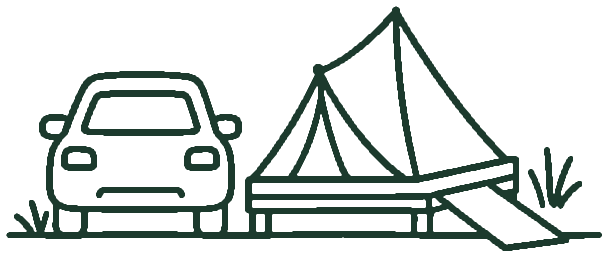
Parking next to the unit
Many guests arrive in adapted vehicles and transfer directly from them, so a car needs to be able to reach the unit.
-
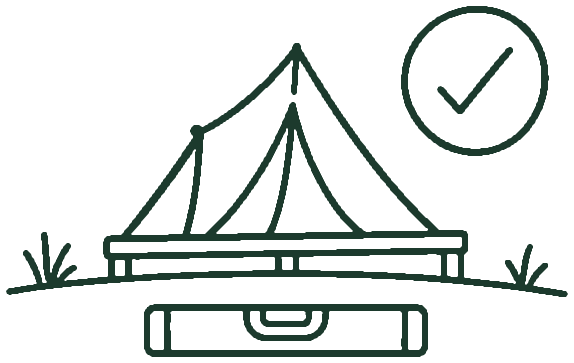
Reasonably level ground
Light levelling is fine. Very rocky ground, steep terrain or protected ground that cannot be touched is less suitable.
-
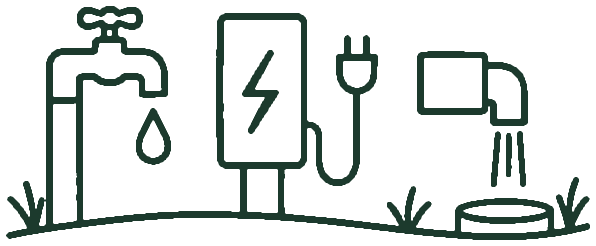
Water, electricity and sewage
These need to be available on site or close enough for us to connect to them.
Your whole site does not need to be accessible. We make sure guests can get step-free from the parking area to the tent, and other barriers can often be solved with simple measures such as temporary access mats.
Not sure your site will work? Send it to us anyway. More is often possible than you think.
Open your place to more people
Accessibility is often decided by surprisingly small details.
The angle of a ramp. The height of a toilet. The space next to a bed. A few centimetres can determine whether someone can use something independently or needs help every time.
We take care of those details, so your site can welcome guests who might otherwise not be able to stay there.
Leave no trace
We choose places because of the nature around them, and we want to leave that nature as we found it.
The unit stands on wooden poles rather than a permanent concrete foundation, allowing it to sit lightly on the land.
If the unit ever leaves, we remove everything with it and return the site to how we found it. No permanent foundation. No trace left behind.
What we place on your site
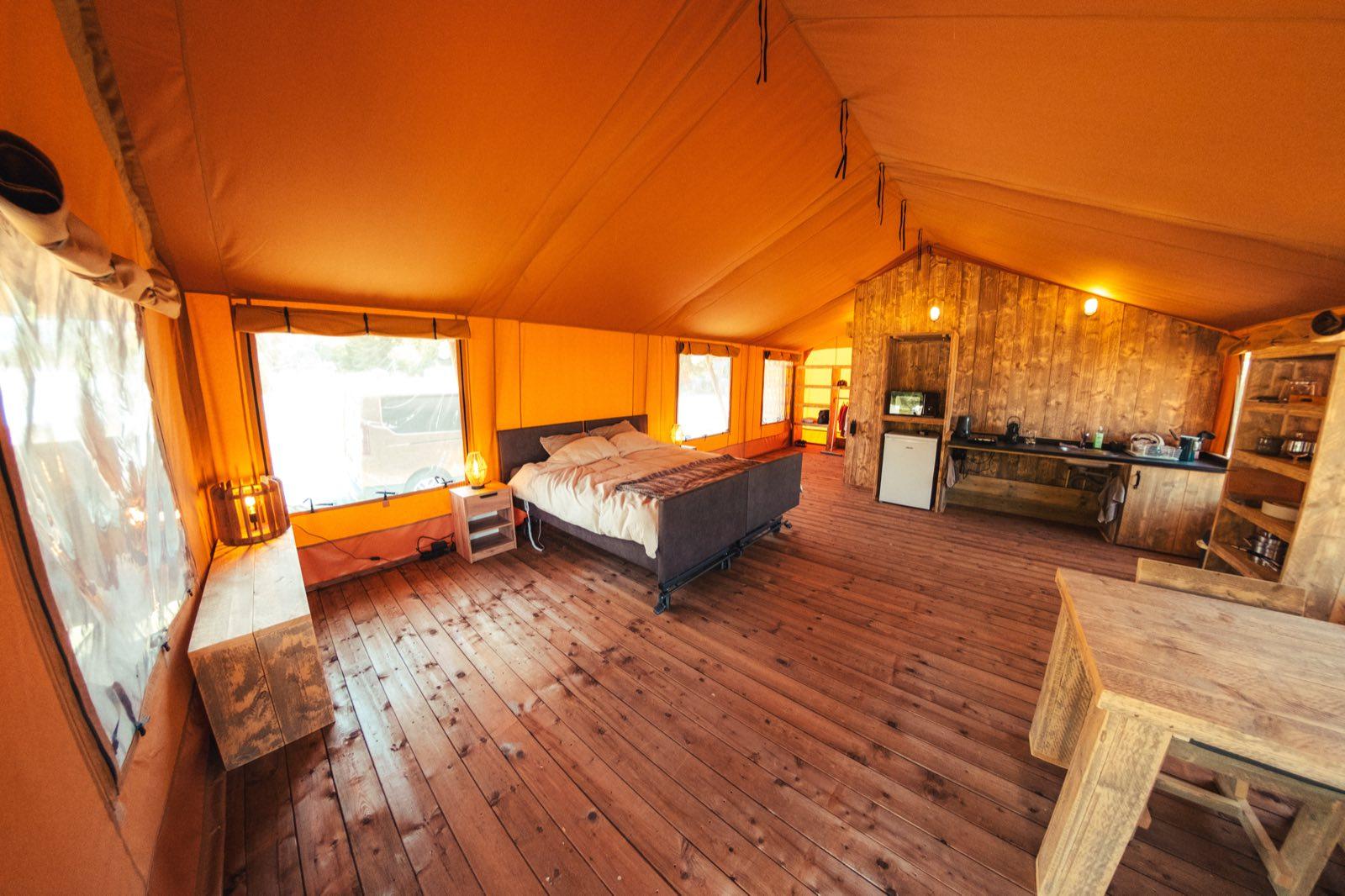
A fully equipped safari tent for two guests, built from the start for people with physical disabilities.
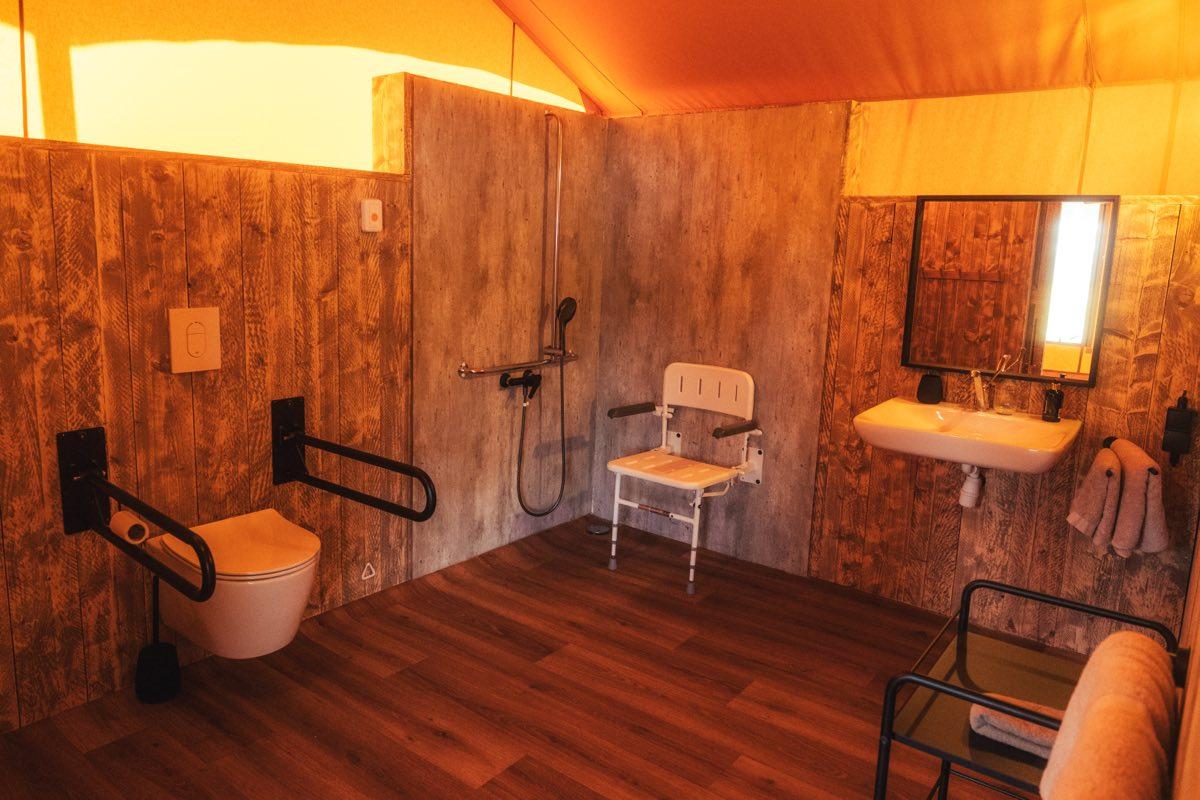
Inside are height-adjustable beds, an accessible bathroom and kitchen, and enough space to move around independently. From the parking space to the front door, the entire route is step-free.
See how we designed the accessibility.
Each stay also includes an electric all-terrain wheelchair, so guests can explore the nature around your site, not just stay beside it.
We own the unit, equipment and furnishings, and take care of keeping them up to standard.
From your first message to the first guest
-
We talk
We learn about your site, what you want from the partnership and whether the numbers make sense for both sides.
-
We visit
We come to the site and look at access, ground conditions, utilities and where the unit could sit.
-
We agree the details
You receive the full partnership agreement and we go through it together. We also work through the permit process with you. Nothing is ordered until both are in place.
-
We build and open
Once everything is approved, we move into production and installation. From green light to first guest takes around twelve weeks.
Questions hosts ask
Will this compete with my own accommodation or pitches?
Usually the opposite. The unit is designed for guests your current accommodation may not be able to serve. Friends, family or carers travelling with them may also book additional accommodation or pitches with you.
How much work is involved for me?
The main tasks are welcoming guests, being reachable on site and handling the changeover between stays. The bathroom also has an emergency pull cord. If it is activated, someone on site needs to be able to check on the guest.
We handle the bookings, marketing, guest communication and everything related to the unit and its equipment.
Do I need experience with disability or accessible tourism?
No. You are not expected to provide personal care or specialist assistance. We provide a short host guide before the first guests arrive.
The best approach is usually simple: treat people normally, help when asked, and otherwise let them enjoy their stay.
What happens if a guest needs help and I am not there?
For questions about the unit, accessibility or equipment, guests contact us directly.
For the emergency pull cord, there does need to be someone on site who can respond. We agree with you beforehand how this works at your location.
Who is responsible if something happens?
We insure the unit and its operation. Before signing, we clearly agree what Piaterra is responsible for, what stays with you as the host, and what insurance is needed for the site.
Who pays if utilities need to be extended?
That depends on the site. We assess this during the site visit and agree any work and costs before the partnership is signed.
How long does the unit stay?
Our standard agreement is five years, with the option to renew. The notice period, removal of the unit and what happens to the site afterwards are agreed from the start.
Have a place in mind?
We want to open more places in nature to people who cannot easily experience them today.
If you have a place that could be part of that, or simply want to explore the idea with us, I would love to hear from you.